Palm Side Thumb Pain From Repetitive Strain
Game Over Grip | Thenar Eminence Strain
By Brett Becker, MS, OTR/L, ACE-CPT, ACE-GFI
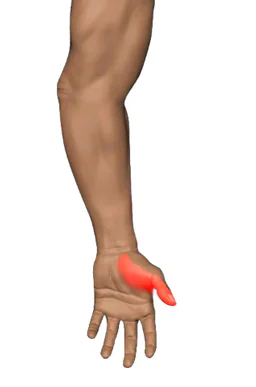
Table of Contents
Expert Opinion
- Pain in the thumb side of the palm is a common pain pattern from repeated thumb work, such as joystick use on a controller, thumb use on a phone, or gripping a pen or stylus.
- The muscles responsible for moving the thumb down and in are small and susceptible to overuse.
- These muscles/tendons are responsible for moving the thumb and finger each time a joystick is moved, a button is pressed or the thumb reaches across a phone screen.
What Does This Diagnosis Mean
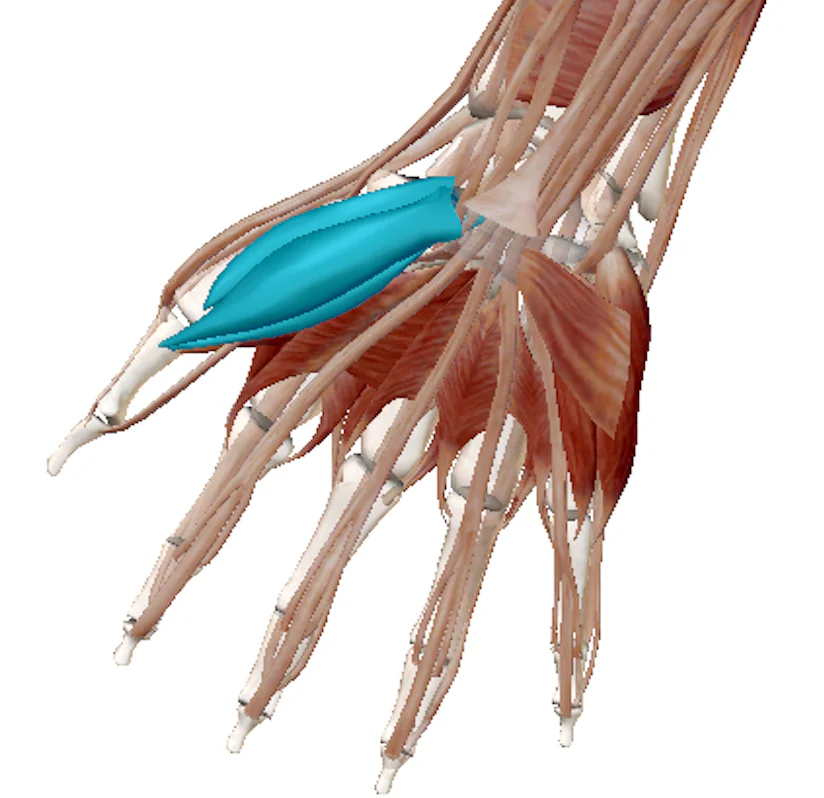
Game Over Grip is a condition that affects the thenar eminence, which are three muscles in your palm on the thumb side. When you play video games, text, write, draw or use your hands a lot in other ways, these muscles can feel stiff and tight, causing pain. These muscles in particular are what allow each person to move a joystick, which is necessary in most games to move a character or look around. They also bring the thumb toward the fingers to pinch or hold a pen.
The name "Game Over Grip" comes from gaming: pain like this is likely to make a player stop playing. It can be present in controller gamers due to the movements required of the joystick, and in anyone who works the thumb the same way for long periods. Through improper positioning, poor conditioning, or inadequate rest these muscles and tendons will take the brunt of this and elicit pain. This name "Game Over Grip" is also interchangeable with Thenar Eminence strain.
This diagnosis is vastly different from carpal tunnel syndrome, as carpal tunnel from gaming is much less common than many know and believe. Discussed below are just a few simple, but effective ways to fix thumb pain from repetitive strain.
Common Things You Might Feel
You are likely to begin experiencing a sore, achy, or stiff feeling in the area indicated above, which if ignored may lead to further pain and discomfort. Weakness and poor coordination of the thumb are also likely when moving a joystick, pressing buttons, typing on a phone or pinching a pen. This is likely to decrease performance, in a game or at work, where movements may be slowed or less precise.
Disclaimer: The following information is provided for general educational purposes only and should not be considered medical advice. It is not intended to replace consultation with a qualified healthcare professional. If you have specific concerns or questions about your health or medical condition, please seek the guidance of a licensed physician or another qualified medical practitioner. Any reliance you place on the information provided is solely at your own risk. In no event will the author or 1HP be liable for any loss or damage arising from using this information. Always consult with a healthcare professional before starting or changing any medical treatment or regimen.
How Does It Happen?
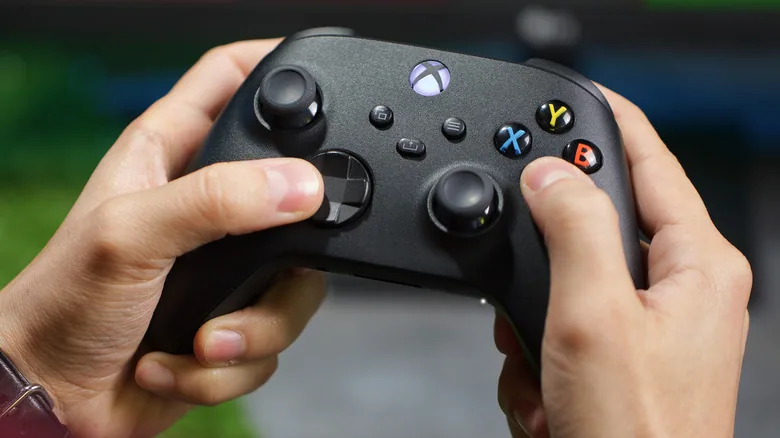
Anyone who uses their thumbs a lot is at risk, and gamers are a common example. Long sessions are a big part of it, whether that is gaming, texting, drawing or a long workday. Oftentimes this means we are taking fewer rest breaks when we are in the zone because we don't always think to put our body first. Pain is something that can be reduced by distractions, and a game or an absorbing task is a good distractor, which makes it hard to know when to stop due to pain. The specific motions matter too. Each time the thumb is moving the joystick (opposition and abduction), these muscles are being used, which for most games is extremely often. The same muscles work when the thumb reaches across a phone screen or grips a pen, stylus or small tool for long periods. Additionally, gamers who use KontrolFreek thumbstick extenders on the joysticks have a greater range of motion allowed due to the increased arc distance available. For these gamers this means greater lengthening and shortening of the muscle which may contribute to this injury if not worked up gradually.
How to Fix It / Recover / What Can You Do?
Returning from this injury takes a concerted effort, but can be done without much time away from gaming, work or hobbies.
- Identify the issue (one of the most important factors is early detection…do NOT push into or through pain).
- Rest the thumb/hand (a few days of reducing the workload, but be sure to continue moving the thumb, hand, wrist, fingers, elbow).
- Massage in times of pain/discomfort.
- Use heat/ice (hot/cold packs, warm water soak). Heat can be helpful before or during activity. Ice can be helpful following activity in the presence of pain. Be cautious using ice over specific nerves as this may lead to irritation.
- Initiate isometric exercises: a good starting exercise to regain/maintain strength while limiting further pain or irritation.
- Stretching: helpful in reducing pain throughout the entire range of motion.
- Isotonic strengthening: necessary to improve strength and endurance to decrease pain while playing or working and prevent future injury from returning.
Surgery is very rarely required in order to effectively treat.
For a comprehensive guide on the exercises discussed, check out the videos on our Fix Thumb Pain page.
Science Behind The Injury
Specifically, this diagnosis is looking at three muscles which are grouped together to represent the palm of the hand on the thumb side. These muscles are responsible for several of the movements of the thumb used when moving a joystick on a controller, pinching, or holding a pen or phone. These muscles help to make up some of the "intrinsic" muscles of the hand which means they are small and both originate and attach in the hand. Through repetitive use or inadequate amounts of rest these muscles can begin to feel tight, stiff, and achy which if ignored may lead to structural damage over time.
Thenar Eminence:
- Flexor Pollicis Brevis: Primarily responsible for bending the thumb (flexion at the metacarpophalangeal and carpometacarpal joints) which helps bring the thumb closer to the rest of the fingers (opposition of the thumb).
- Opponens Pollicis: Primarily responsible for bringing the thumb closer to the rest of the fingers (opposition) and bending the thumb at the joint closest to the wrist (flexion of the carpometacarpal joint).
- Abductor Pollicis Brevis: Primarily responsible for bringing the thumb closer to the rest of the fingers (opposition) as well as moving the thumb away from the palm/fingers (abduction).
It should also be known that gaming is not the only activity to bring on this condition; school, work, phone use, and other hobbies can also further stress this tendon.
Differential Diagnosis
- Wartenberg's Syndrome: A nerve issue of the radial nerve. An individual would experience sensory issues (numbness/tingling) on the back of the hand and a small portion on the palm side, both on the thumb side. May come on due to wearing a watch or wristband too tight over the wrist as well as traumatic injuries.
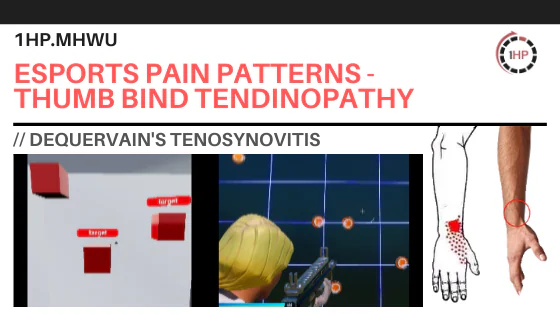
- DeQuervain's Tenosynovitis: Irritation of two tendon sheaths which will cause pain on the thumb side of the wrist.
Preventative Approach
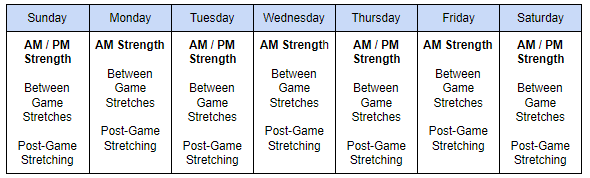
There are 3 main factors to first focus on, plus secondary factors.
- Strengthening exercises: Building a foundational base to allow the tendon/muscle to keep up with the workload.
- Intermittent stretching (during and after long sessions of gaming, work or practice).
- Proper warm-up: Promotes blood flow and lubricates stiff joints.
Additional:
- Ergonomics/positioning: Poor positioning forces the muscles/tendons to work harder, making them more susceptible to injury.
- Rest breaks: Take breaks every 45 to 60 minutes to assess how you feel; build a schedule (e.g., a 10-minute break after 2 ranked games (~60 min) or 5 minutes after 1 ranked game (~30 min); at a desk, the same after each hour or half hour of work).
- Massage: Whenever pain or tenderness is present.
- Ice: Following long bouts of gaming or other hand-heavy work if painful.
- Heat: Prior to gaming, work or practice sessions, or stretches.
- Relative rest: If tenderness becomes apparent, reduce playing or working time or take time off.
- Sleep/Nutrition/Mental health: These underlie all of what is experienced in a day and cannot be ignored in injury prevention.
When to see a doctor first
See a doctor before starting if you have any of these:
- Constant numbness that doesn't change with activity
- Worsening weakness
- Visible muscle wasting
- Major swelling or color change
- A recent injury or fall
- Fever
- Severe, unrelenting pain
- Symptoms that wake you every night
Seek urgent care for emergencies.
Frequently asked questions
Is thumb pain from a controller or phone serious?
Usually it is an overuse problem, not a serious injury. The small muscles at the base of the thumb get tired and sore from constant thumb work, such as moving a joystick or tapping and scrolling on a phone. Caught early, it often settles with lighter use, breaks and strengthening. Pain after a fall, or pain with numbness, needs a closer look.
Can I keep using my hands with thumb pain?
Often yes, with less load. Shorten gaming, texting or drawing sessions, add breaks, and stop before the pain builds. Mild soreness that settles by the next day is usually okay. Pain that gets sharper or lasts longer each time is a sign to cut back more.
Do thumbstick extenders cause thumb pain?
They can add strain if you start using them all at once. Taller sticks make the thumb move through a bigger arc, so the muscles at the base of the thumb work over a longer range. If you want to use them, build up your playtime with them slowly.
Would different gear help my thumb pain?
It might. A controller, phone grip or stylus that fits your hand lets the thumb work without stretching. Remapping buttons, changing stick sensitivity or using voice typing on your phone can also cut down thumb movement. Gear changes help most when you pair them with strength work for the thumb.
How is palm side thumb pain different from back side thumb pain?
Palm side thumb pain sits in the fleshy pad at the base of the thumb, in the muscles that move the thumb on a joystick or phone screen. Back side thumb pain, such as De Quervain's, hurts on the thumb side of the wrist, in two tendons that lift and move the thumb out. Where it hurts helps tell them apart.
References
- McGee C and Ho K (2021) Tendinopathies in Video Gaming and Esports. Front. Sports Act. Living 3:689371.
- Luxenburg D, Rizzo MG. Anatomy, Shoulder and Upper Limb, Hand Thenar Eminence. [Updated 2023 May 1]. In: StatPearls. Treasure Island (FL): StatPearls Publishing; 2023.