Repetitive Strain Pain Library

Hand, Wrist and Elbow Pain From Repetitive Strain

Guides from 1HP experts

Among 5,656 people who marked a pain region in 1HP's intake, the back of the wrist was the most common location at 52%, followed by the palm side at 47%. Almost half, 48%, marked three or more regions. Among 5,619 people who answered the nerve question, 58% reported numbness, tingling or another nerve symptom. These guides explain the patterns, but a symptom map is not a diagnosis.

Who comes to us with this pain, and where it hurts most: The 1HP Wrist and Hand Pain Report 2026, from 6,842 people who started an intake assessment.

Original 1HP Data

What Did 1HP's 2026 Wrist and Hand Data Show?

Wrist and hand symptoms usually did not fit one tidy label. The most common pain maps involved the wrist extensor and flexor regions, nearly half of people marked at least three regions, and more than half reported a nerve-type symptom. At the same time, almost half of coaching applicants said they had not been able to get a clear diagnosis.

The findings below combine three different groups and keep each denominator visible: people who started the 1HP intake, members of 1HP programs, and people who applied for coaching. They should not be treated as population prevalence estimates.

Where Did People Report Pain?

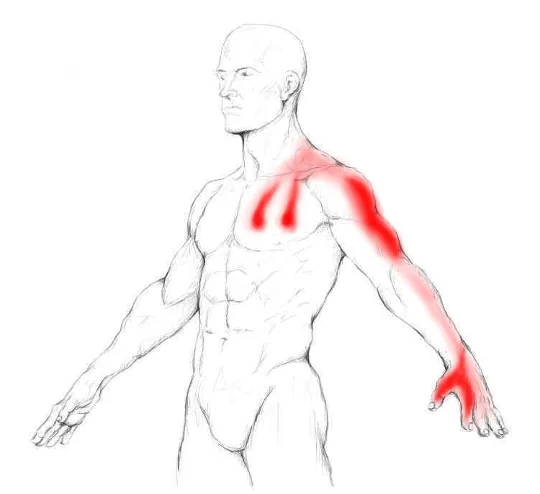
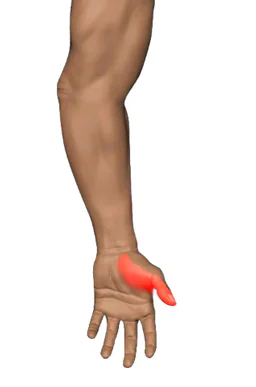
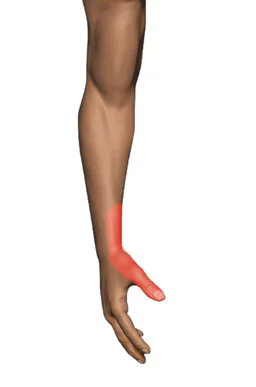
The back of the wrist was the most frequently marked region, but no single area described most people. Each percentage below uses the 5,656 people who marked at least one pain region. People could choose more than one, so the percentages add to more than 100%.

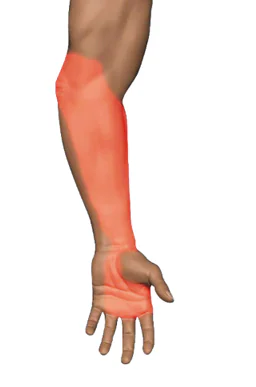
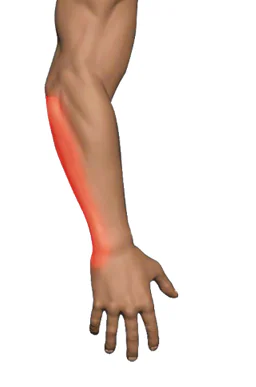
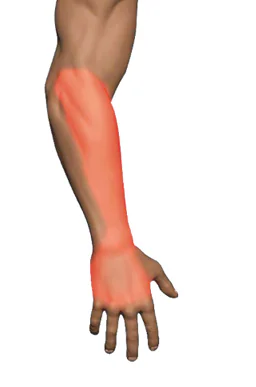
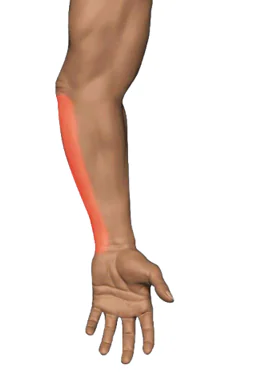
Back of the wrist (wrist extensors)52%
Palm side of the wrist (wrist flexors)47%
Fingers37%
Back of the thumb (thumb extensors)35%
Bending the thumb (thumb flexors)35%
Pinky side, back (ulnar-side extensors)30%
Pinky side, palm (ulnar-side flexors)27%
Pinky and ring finger flexors24%

Read the source data and age breakdowns in Chapter 5: Where it hurts.

The multi-region pattern

One sore spot was the exception

Forty-eight percent of the intake group marked three or more regions, while only 26% marked one. Among 225 program members who completed the body map, 53% marked three or more regions and the average was 3.1 regions per member. This is why the guides separate a symptom location from the tissue or nerve that may be involved.
What the map cannot tell you

Location is not a diagnosis

These regions came from a self-completed body map. No examination was used to confirm which tissue caused the pain. A map can help organize possibilities, but it cannot distinguish a capacity-related tendon problem from a cyst, joint injury, arthritis, nerve entrapment or another condition on its own.

Nerve symptoms

Which Nerve Pattern Was Most Common?

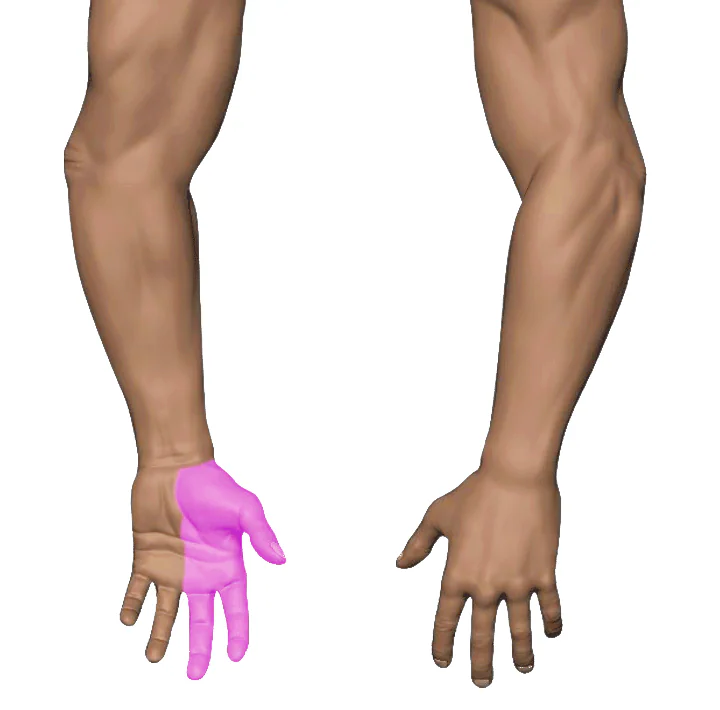
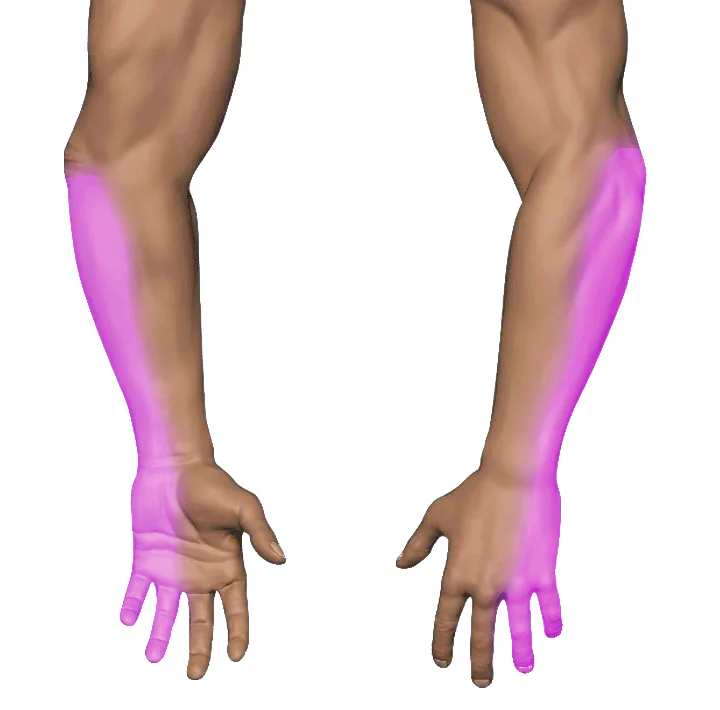
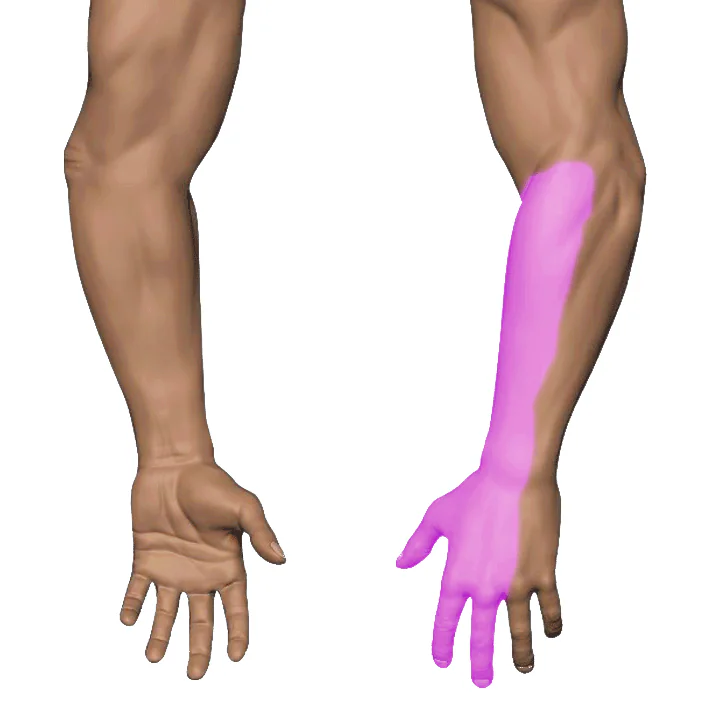
Of 5,619 people who answered the nerve question, 3,275, or 58%, reported numbness, tingling or another nerve symptom. Among those 3,275 people, 59% marked an ulnar pattern on the pinky side, 47% marked a median pattern on the thumb side, and 44% marked a radial pattern on the back of the hand. People could mark more than one nerve.

These were self-reported symptom maps, not nerve-conduction results or confirmed entrapments. Tingling in a nerve's territory can help focus an assessment, but it does not establish where the nerve is irritated or whether it is damaged.

Read Chapter 6: Nerve symptoms

Diagnosis gap

What Diagnoses Did Applicants Report?

Among 1,023 coaching applicants, 475, or 46%, said they could not get a clear diagnosis. Only 70 applicants, or 7%, named a condition they said a doctor or test had confirmed. The application did not ask a direct diagnosis question, so these counts are minimums based on what people chose to write.

Eighty-four applicants named at least one tendon condition, and 67 named at least one nerve condition. That does not prove that an individual's symptoms come from a tendon, but it is a useful reason to assess tendon and muscle capacity instead of assuming every wrist symptom is carpal tunnel.

Read Chapter 7: What people had been told

Function over time

Who Improved in the 2026 Outcomes Report?

The separate Clinical Outcomes Report followed 226 members in two programs. Members chose their program, so this was an observational comparison, not a randomized trial. The outcome figures below include only members who completed follow-up.

72%

Among 108 Power Leveling members who completed follow-up at least 28 days after starting, 72% improved their QuickDASH function score by at least 8 points. Results vary.

33%

Among 39 self-guided Troubleshooter members who completed follow-up at least 28 days after starting, 33% improved their QuickDASH function score by at least 8 points. Results vary.

43%

Among 112 working members across both programs who completed follow-up, average reported difficulty at work fell 43%. Results vary.

QuickDASH measures difficulty with arm, shoulder and hand tasks. These results do not predict what will happen for one person or one diagnosis.

Read Chapter 3: Did people get better?
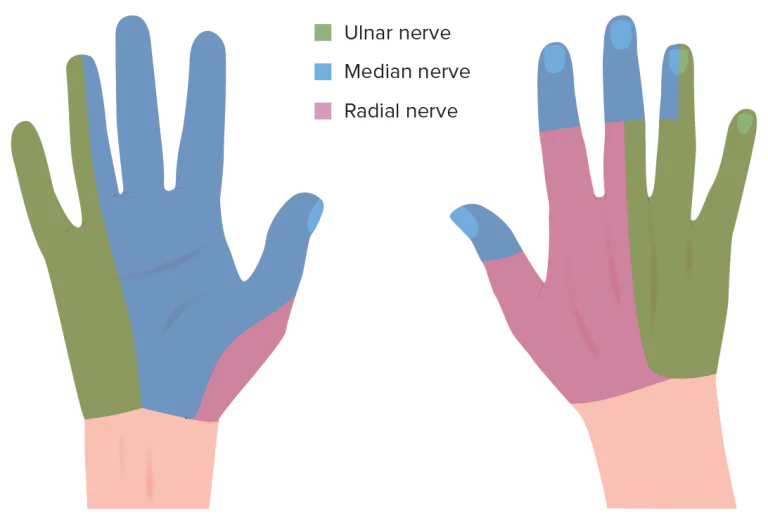
Innervation of the hand showing the ulnar, median, and radial nerve distributions

Nerve Distribution Reference

The hand is supplied by three nerves: the ulnar nerve, median nerve, and radial nerve. Where you feel numbness or tingling helps identify which nerve is involved.

Frequently asked questions

How do I know which guide fits me?

Start with where you feel it most: the thumb, the palm side, pinky side or back of the wrist, or the inner or outer elbow. If you mostly feel numbness or tingling rather than pain, use the numbness guides. Those are sorted by which part of the hand or arm is affected.

Is hand pain from typing or gaming usually carpal tunnel?

No. Most pain from typing, mouse work and gaming comes from overworked tendons, not a pinched nerve. Carpal tunnel mainly causes numbness and tingling in the thumb and first fingers. If you have aching or soreness without numbness, a tendon guide is the better place to start.

Read the carpal tunnel guide

Can the Repetitive Strain Pain Library diagnose my pain?

No. The guides are for education. They describe common patterns, but several conditions can feel alike, and only an exam can tell them apart. If your symptoms do not fit a guide, keep getting worse or include warning signs, see a doctor.

Do different kinds of hand work strain different areas?

Often, yes. Controller players and heavy phone users tend to strain the thumb. Typing, mouse work and PC gaming more often strain the wrist and finger tendons from clicks, key presses and mouse flicks. Musicians and artists load whatever their instrument or tool asks of the hand, often the fingers and the thumb.

What counts as repetitive strain?

Pain or nerve irritation that builds up from doing the same hand motions many times: typing, clicking, gaming, phone use, playing an instrument, drawing, crafts and many jobs. Most people's hand load comes from several of these at once. That is why it helps to look at your whole day, not only one activity.

Who writes the 1HP Repetitive Strain Pain Library?

The guides are written by Brett Becker, MS, OTR/L, an occupational therapist on the 1HP team with a focus on hand therapy. They draw on our team's work with esports players, desk workers and musicians, and on the research listed at the end of each guide.

Meet the team

See all questions

Work Without Strain: Game Without Pain

Related articles

Keep reading

All articles on the blog