Table of Contents
How to Do Nerve Glides for Typing Tingling Without a Flare-Up
By Dr. Elliot Smithson, PT, DPT, MS, ATC, EMT·
Quick answer
Pick the glide that matches where your fingers tingle, do about 5 slow reps, and stop the set when tingling builds. If tingling lingers 1 to 2 hours later, lower your next dose instead of quitting, since flare-ups are a normal part of recovery. Pair glides with less time spent elbow-bent or wrist-bent at your desk.
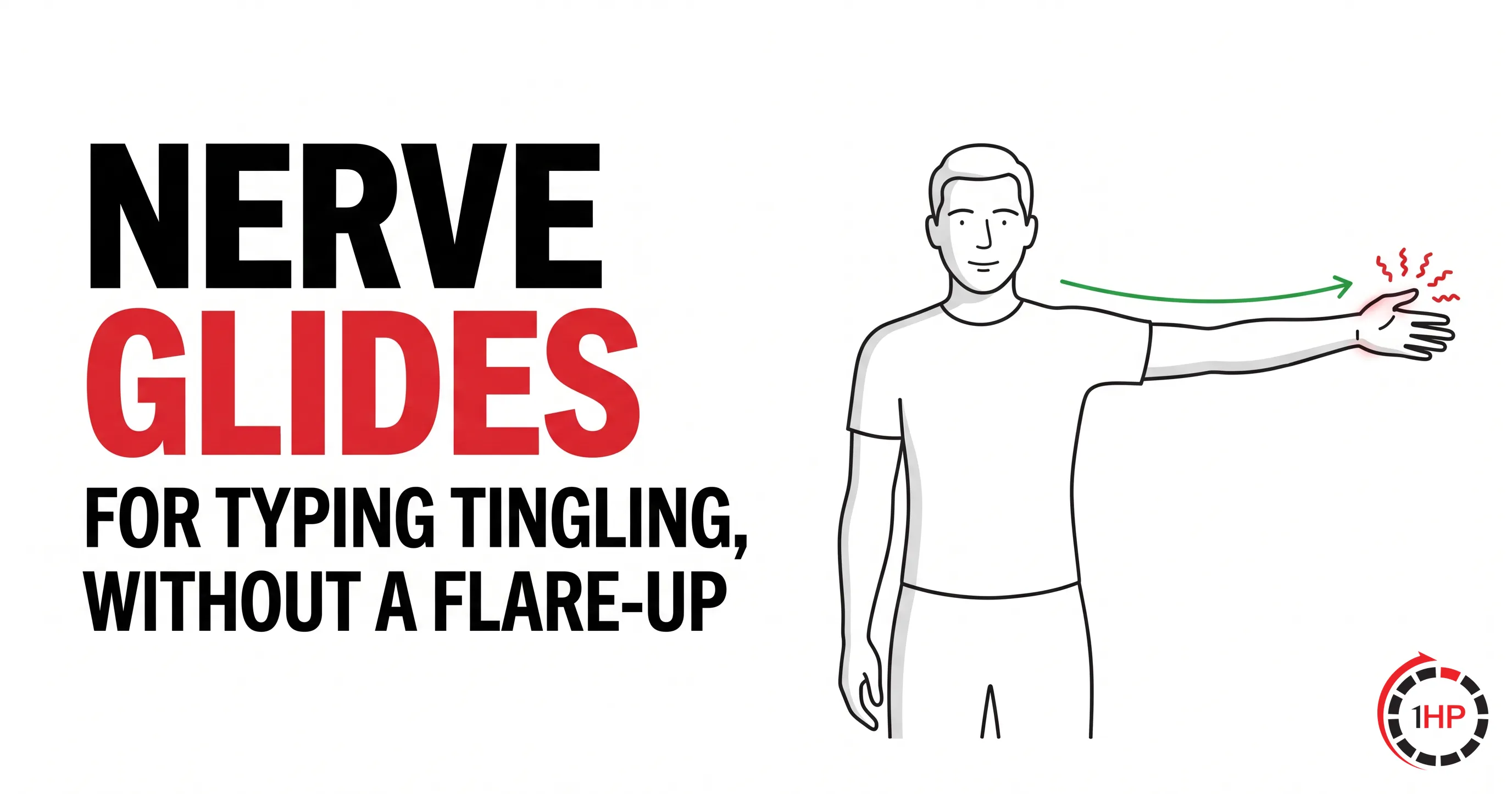
How do you do nerve glides for typing tingling without a flare-up?
Slide the nerve gently back and forth for about five slow reps, stop the set when tingling builds, and lower your next dose if tingling lingers afterward.
Glides have real support, but as a light add-on. In 2015, a systematic review in the Journal of Physical Therapy Science found that gliding exercises added to standard care such as splinting may have a favorable effect on carpal tunnel symptoms. One of its four trials found no significant difference between a splint alone and a splint plus gliding. So keep the dose small. Let your symptoms set the pace.
What you need
- A chair where you can sit tall with your shoulders relaxed
- Room to reach one arm out to your side
- A phone timer to recheck your fingers 1 to 2 hours later
Steps
- Match the glide to your fingers. Cleveland Clinic notes that the median nerve serves the thumb, index and middle fingers, while the ulnar nerve serves the ring and pinky fingers.
- Set your shoulder down and slightly back before every rep.
- Start with the gentlest range: arm low by your side, small wrist movement.
- Move in and out smoothly. Bend the wrist back, then forward, without pausing at either end. Think flossing, not stretching.
- Do 5 slow reps, and never go past 10 in one set.
- Stop the set as soon as tingling builds or your fingers start to curl.
- Recheck your fingers 1 to 2 hours later. Calm or better means you repeat the same dose next session.
- Lower the next dose if tingling lingers. Use fewer reps or a smaller range, then step back up only after symptoms settle.
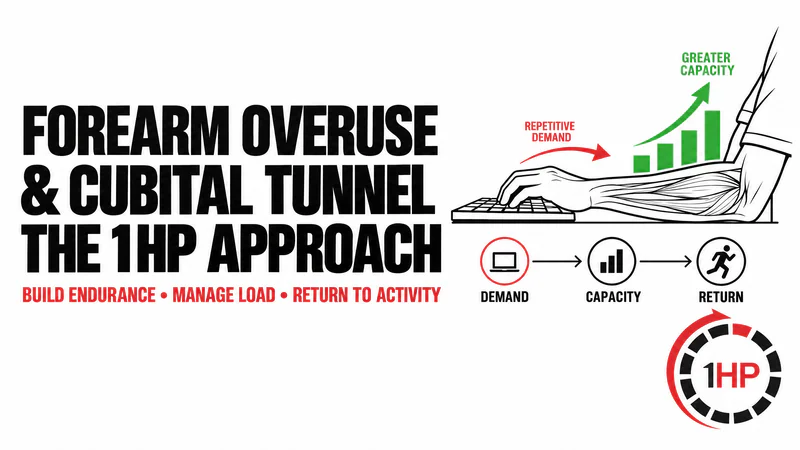
- Change your desk setup so your elbow is not sharply bent or resting on the chair arm while you type, which matters most if your tingling fits cubital tunnel from repetitive strain.
In our experience, a bad session changes the dose, not the plan. 1HP's flare rules lower the load for a short, defined stretch, then step it back up in stages once symptoms have settled. You can see how that fits our wider evidence-based approach to wrist pain, where glides sit beside the work of building tissue capacity.
Common mistakes
- Holding a stretch. Cleveland Clinic's carpal tunnel stretches use 30-second holds, which is a different tool, so keep a glide moving in and out.
- Chasing more reps. One lifter on a fitness forum described glides that only helped once he stopped holding the end range; cap each set at 10 and keep it light.
- Pushing through a flare. Drop the dose for a few sessions instead of quitting or forcing it.
Frequently Asked Questions
What do people ask after their first nerve glides?
Is it normal to feel tingling during a nerve glide?
Tingling that builds during a set is your cue to end it there. Keep the range small and the pace slow for the rest of that session. Sliders are the gentlest glides, moved only as far as feels easy.
What if my fingers still tingle an hour after glides?
Read it as a sign the dose was too high, not that glides are off the table. 1HP experts suggest cutting the activity that sets symptoms off by around 50%, or up to 75% for a bigger flare. Someone who types 6 hours a day might drop to 3 to 4 hours while things settle.
Do nerve glides help cubital tunnel tingling too?
The trials behind glides studied carpal tunnel, so the evidence here does not show how well they work for cubital tunnel. Pinky and ring finger tingling points to the ulnar nerve at the elbow. Pair an ulnar glide with less time spent elbow-bent, since pressure higher up a nerve, at the elbow, shoulder or neck, can cause similar tingling.
Written by
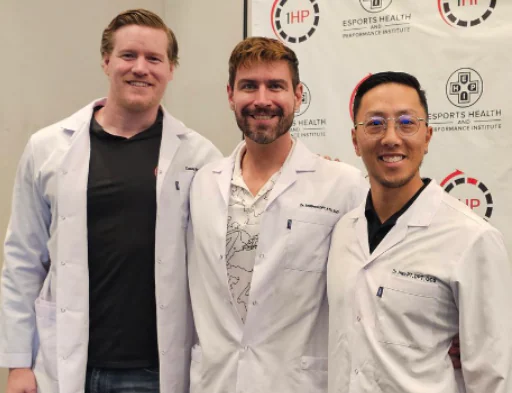
Dr. Elliot Smithson
PT, DPT, MS, ATC, EMT, Co-Founder
Dr. Elliot Smithson earned his undergraduate degree from the University of Central Florida in Athletic Training, his Master's from Marshall University in Athletic Training, and his doctorate in Physical Therapy from the University of St. Augustine for Health Sciences.
Follow on XThis article is for educational purposes only and is not a substitute for professional medical advice, diagnosis, or treatment.