

Table of Contents
Why Do My Fingers Twitch? Common Causes, Treatments, and When to Seek Medical Help
By 1HP Staff·December 14, 2024

Fingers twitching, also known as finger fasciculations, refers to involuntary muscle movements that can be alarming. This is because of spontaneous activity in the nerve cells that control those muscle fibers. While these twitches are often harmless, persistent or severe twitching could indicate underlying medical conditions. In this article, we explore common causes of finger twitching, when it might signal something more serious, and effective ways to manage and treat it.
Why does this happen?
How It Starts: The Motor Unit
- A motor unit is like a tiny team in your body that controls muscle movement. It includes:
- A nerve cell (called a motor neuron).
- The muscle fibers it talks to and controls.
- Normally, the brain sends a signal to the motor neuron, which then activates the muscle fibers to make them contract.
- In muscle fasciculations, the motor neuron or its connections can get "overexcited" or send random signals, even when the brain isn’t telling it to. This makes the muscle fibers twitch on their own.

The Electrical Process Behind It
- Nerves and muscles work using tiny electrical signals.
- These signals happen because of movement of charged particles (ions like sodium, potassium, and calcium) in and out of cells.
- If something disrupts this balance (like low calcium or irritation to the nerve), the motor neuron might fire off signals randomly. This can cause a twitch.

How the Muscle Contracts
Nerves send signals to muscles through a connection called the neuromuscular junction (NMJ). At the NMJ, a chemical messenger called acetylcholine (ACh) is released to tell the muscle fibers to contract.
In a muscle twitch:
- The nerve can release acetylcholine randomly, even without a signal from the brain.
- This makes the muscle fibers contract briefly, causing a visible twitch under the skin.
Common Causes of Finger Twitching
Muscle Fatigue: Engaging in repetitive tasks like typing, gaming, or playing instruments can overexert the small muscles in your hands and fingers, leading to temporary twitching.
Stress and Anxiety: Stress can increase nerve excitability, causing involuntary finger movements. Practicing relaxation techniques can often help alleviate this.
Caffeine and Stimulants: Overconsumption of caffeine or other stimulants can overstimulate the nervous system, leading to muscle twitching, including in the fingers.
Dehydration and Electrolyte Imbalance: Insufficient hydration or imbalances in potassium, calcium, and magnesium can disrupt muscle function and lead to twitching.
Nerve Compression or Irritation: Conditions like carpal tunnel syndrome or cubital tunnel syndrome, where nerves in the wrist or elbow are compressed, may cause twitching along with numbness or tingling sensations.
Lack of Sleep: Poor sleep quality can lead to muscle twitching, including in the fingers. Restful sleep helps prevent these involuntary movements.
Less Common but Serious Causes
- Benign Fasciculation Syndrome (BFS): BFS is characterized by frequent, benign muscle twitches, though persistent or bothersome cases may require a neurologist’s evaluation.
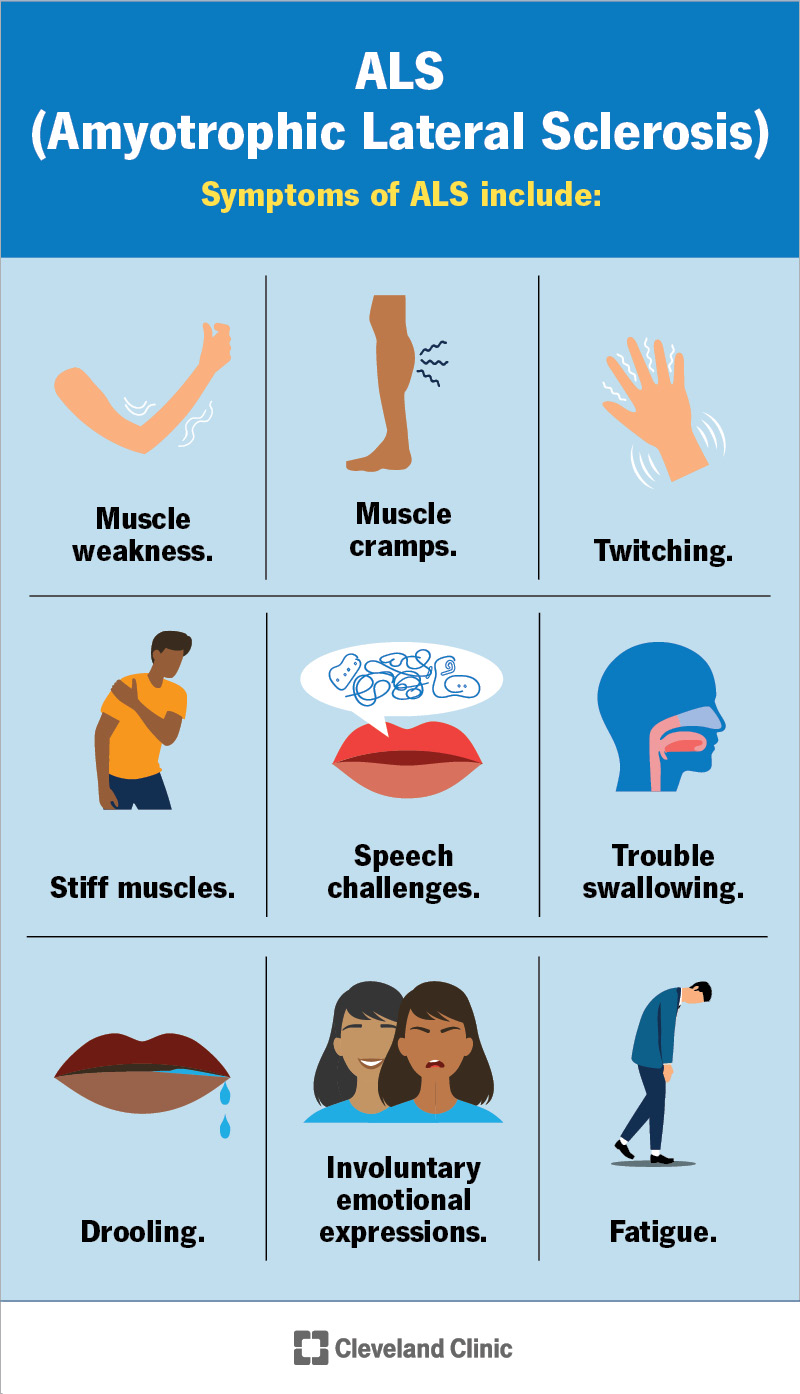
- Neurological Disorders: Conditions like Essential Tremor, Multiple Sclerosis (MS), and Amyotrophic Lateral Sclerosis (ALS) can cause twitching, often accompanied by other symptoms like muscle weakness or coordination issues.
- Medication Side Effects: Some medications, including diuretics and antidepressants, may cause muscle twitching as a side effect.
- Nutritional Deficiencies: Lack of essential vitamins and minerals, particularly vitamin B12 or magnesium, can lead to nerve and muscle issues resulting in twitching.
- Overexertion or Trauma: Physical activity or injury may cause localized twitching in the fingers, especially if the muscles or nerves are strained.
When Should You Be Concerned?
Consult a healthcare provider if:
- The twitching lasts for several weeks.
- You experience additional symptoms like muscle weakness, numbness, or pain.
- Twitching occurs in other parts of the body.
- You notice a decline in fine motor skills.
Managing Finger Twitching

Muscle Endurance Training: Strengthening the muscles responsible for hand and finger movements can prevent fatigue and reduce twitching.
Click here to get started on a custom endurance plan today!
Lifestyle Adjustments:
Take regular breaks from repetitive tasks.
Stay hydrated and maintain a diet rich in essential vitamins and minerals.
Prioritize sleep by getting 7-8 hours of quality rest.
Stress Management: Techniques like deep breathing, yoga, and regular physical activity can help reduce twitching caused by stress.
Limit Stimulants: Cutting back on caffeine or other stimulants can help minimize overstimulation of the nervous system.
Consult a Specialist: A physical therapist or neurologist can tailor exercises and treatments, such as nerve gliding or strengthening exercises, to address specific causes of twitching.
Prevention and Long-Term Well-being
While you may not be able to prevent benign fasciculations entirely, managing common triggers like fatigue, stress, and dehydration can reduce occurrences. Regular check-ups with healthcare professionals ensure the early detection of any serious conditions.
If your finger twitching persists or is accompanied by other concerning symptoms, seek medical advice promptly to address any underlying issues effectively.
By understanding the causes and taking preventive steps, you can better manage finger twitching and maintain healthy hand function. If symptoms continue or worsen, don't hesitate to consult a medical expert for peace of mind and appropriate care.
References:
Muscle Fatigue and Fasciculations
Kincaid, J. C. (1997). Muscle pain, fatigue, and fasciculations. Neurologic Clinics, 15(3), 697–709. https://doi.org/10.1016/s0733-8619(05)70340-6
Morrison, S., Kavanagh, J., Obst, S. J., Irwin, J., & Haseler, L. J. (2005). The effects of unilateral muscle fatigue on bilateral physiological tremor. Experimental Brain Research, 167(4), 609–621. https://doi.org/10.1007/s00221-005-0050-x
Stress/Anxiety and Muscle Fasciculations
Reed, D. M., & Kurland, L. T. (1963). Muscle fasciculations in a healthy population. Archives of Neurology, 9(4), 363–367. https://doi.org/10.1001/archneur.1963.0046010
Stimulants, Medications, Nutrient Deficiencies, and Dehydration and Muscle Fasciculations
Younger, D. S. (2014). Myalgia, fibromyalgia, fasciculation, and cramps. In Motor Disorders (pp. 437). Elsevier.
Nerve Compression and Muscle Fasciculations
Melville, I. D. (1972). The differential diagnosis of nerve compression syndromes in the arm and hand: The neurologist’s approach. Hand, 4(2), 111–114. https://doi.org/10.1016/0072-968X(72)90028-9
Sleep Deprivation and Muscle Fasciculations
Henriksen, S. J., Jacobs, B. L., & Dement, W. C. (1972). Dependence of REM sleep PGO waves on cholinergic mechanisms. Brain Research, 48, 412–416. https://doi.org/10.1016/0006-8993(72)90201-6
Benign Fasciculation Syndrome
Mattiuzzi, C., & Lippi, G. (2024). Clinical progression of benign fasciculation syndrome: A systematic literature review. Neurological Sciences. https://doi.org/10.1007/s10072-024-07867-0
Neurological Disorders
Brandt, T., Caplan, L. R., Dichgans, J., Diener, H. C., & Kennard, C. (Eds.). (2003). Neurological disorders: Course and treatment (2nd ed.). Academic Press. https://doi.org/10.1016/B978-0-12-125831-3.50029-3