
Table of Contents
7 Best Hand & Wrist Exercises for Gamers BACKED BY SCIENCE
By Dr. Matthew Hwu, PT, DPT, OCS, CSCS·
Quick answer
The best hand and wrist exercises for gamers combine stretching with strengthening, and strengthening matters most. Rest, braces and stretches give short-term relief, but they rarely fix gaming wrist pain in the long run. Most gaming injuries involve the tendons and muscles of the forearm and hand, not carpal tunnel syndrome.
Strengthening builds the endurance your muscles need to play longer with less pain. Stretch between games to ease stiffness. Above all, manage your load over days and weeks, because even good exercise cannot offset gaming for very long hours without rest.
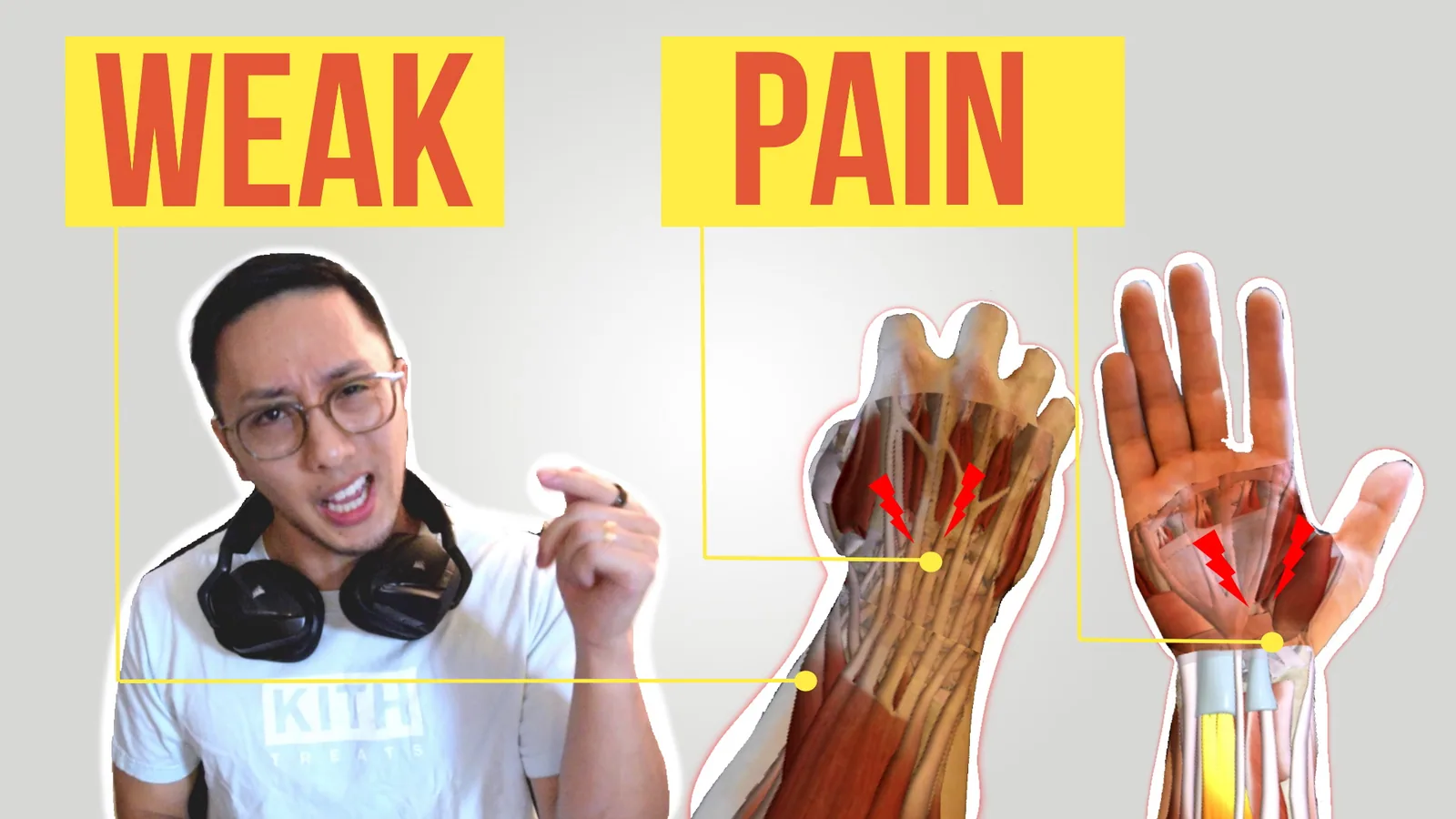
Wrist pain is by far the MOST common complaint I get when I work with pros and gamers. And the first thing they often encounter online are resources telling them to rest, brace, just do stretches! Sorry that’s not going to help in the LONG run. These are just methods for short-term relief. I’m Dr. Hwu and i’m the esports injury doctor and over the past 5 years I’ve worked with pros across almost every esport title League, Dota, CS:GO, Rocket League, R6, Fortnite, Hearthstone, Valorant, Smash (benjyfishy, jelty, psalm, kumo, rez, aphro, etc.)
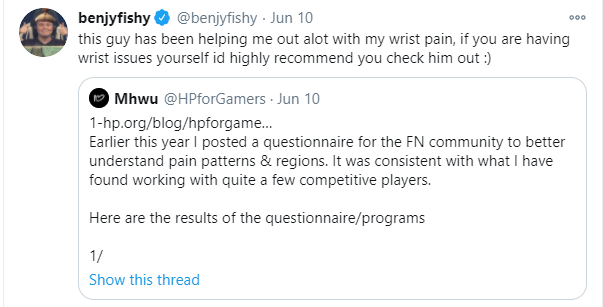
and I have helped over 500 gamers completely resolve their pain in their hand, wrists and forearm. Today we’re going to be going over the BEST exercises I’ve used to help these gamers eliminate their pain. We will be using science and anatomy to help you understand why these exercises are the best use of your time.
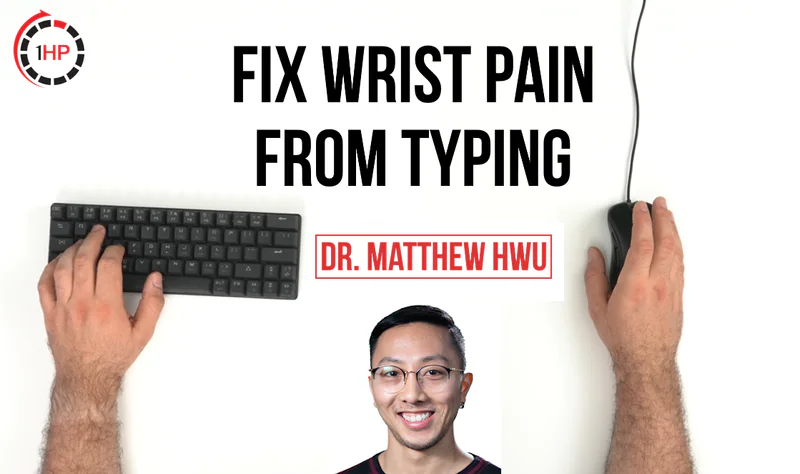
Gaming injuries typically involve tendons and muscles, not the carpal tunnel syndrome as many believe. This has been shown quite frequently not only in office workers utilizing PCs consistently but also with musicians requiring repetitive precise and delicate movements often in non-ergonomic positions. A 2013 Study looked into the common musculoskeletal problems of musicians indicating the development of chronic tendinopathy for the muscles in the wrist, elbow and shoulder girdle.
Gamers fit between these two populations with repeated mouse and keyboard movements with high precision required. High mechanical skill can put a lot of physical stress on our tendons.
Forearm Science & Anatomy of Gaming
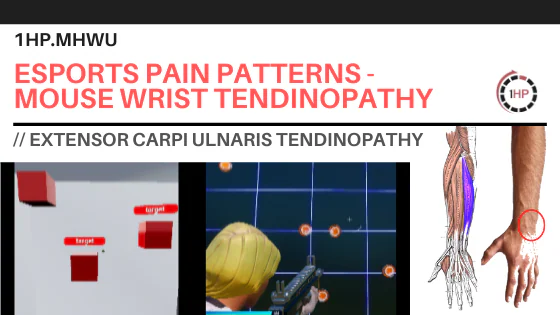
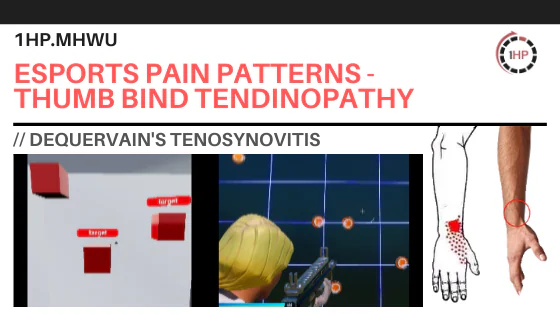
The muscles in our forearms and hands are responsible for EVERY possible movement in gaming. The muscles on the anterior side of the forearm are known as the flexors. These muscles are mainly responsible for flexion of the finger and wrist pronation. If you have pain along the front side of the wrist you want to work on strengthening the flexor muscles and tendons. On the posterior side are the extensors which are responsible primarily for wrist and finger extension along with supination. If you have pain along the posterior side of the wrist you want to work on strengthening the extensor muscles and tendons. Together they contribute to wrist radial and ulnar deviation along with gripping.
What about the hands? The muscles in our hands are responsible for pinky and thumb opposition, along with finger flexion & abduction/adduction.
Even if you are primarily an arm/shoulder dominant aimer, you are still using your forearm and hand muscles to maintain the grip of the mouse. And without the appropriate amount of muscle endurance our tissues can break down leading to pain.
Additionally when we have injuries in our wrist it can also affect our joint position sense or what we call proprioception. Basically it is our sense of where our wrist/hand/fingers are in space. This has been shown through multiple studies meaning we might think our wrist in a certain position but when we end-up flicking. We might miss because we are under or over-aiming
Summary
- Stretches & Strengthening exercises both contribute to long-term health for your forearm / wrists and hands as gamers. Strengthening or exercises 4-7 are the most important as they improve your overall endurance and capacity to play for longer, with less pain.
- Perform stretches regularly between games to address overuse related stiffness and help with recovery for cumulatively strained muscles
- Use Tendon neuroplastic training or externally paced exercise to help you improve endurance and motor control of your wrist & hand muscles.
- Finally I want to remind you it is all about how you manage your load throughout the days, weeks and months. Even if you exercise consistently if you game for 14 hours daily without rest you will develop pain. Stretch during down-time and build up your tissue endurance so you can handle those longer hours. Factor in some recovery days if possible!
For step by step help with any of your injuries or discomfort you might have. Check out our patreon. We work with you to identify exactly what you are dealing with along with all of the potential contributing factors and then develop an individualized plan for you to fix your issue.
That’s all everyone. Thank you so much for watching. Give the video a like if you enjoyed this and leave a comment down below with what topics you want me to cover next time.
It also really helps if you share this on twitter, reddit or any other social media platform! Look out for some science-based exercises for other body regions!

Referenced Research
https://www.ncbi.nlm.nih.gov/pmc/articles/PMC1550512/ https://pubmed.ncbi.nlm.nih.gov/31431267/ https://www.ncbi.nlm.nih.gov/pmc/articles/PMC3758983/ https://www.ncbi.nlm.nih.gov/pmc/articles/PMC1550512/ https://www.ncbi.nlm.nih.gov/pmc/articles/PMC4592039/ https://pubmed.ncbi.nlm.nih.gov/28759532/ https://pubmed.ncbi.nlm.nih.gov/24944855/ https://www.ncbi.nlm.nih.gov/pmc/articles/PMC6173218/