
Back of Hand Numbness From Gaming
Wartenberg Syndrome | Nintendo Numbness
By Brett Becker, OTR/L, MS, ACE-CPT
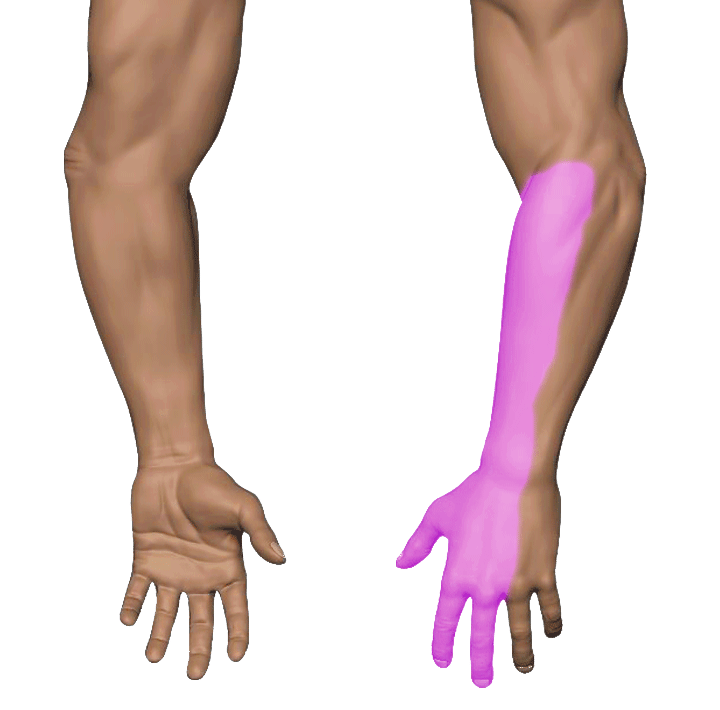
Table of Contents
Expert Opinion
- Wartenberg syndrome is a less familiar condition of the hand/wrist that can be relevant in the gaming population due to gaming accessories like watches or gaming gloves on the rise.
- Wartenberg Syndrome is compression of the radial nerve which innervates (supplies) specific muscles in the hand and fingers.
- Nerves are responsible for providing muscles with necessary strength, coordination, sensation, and ultimately function which is hugely important in gaming.
What Does This Diagnosis Mean
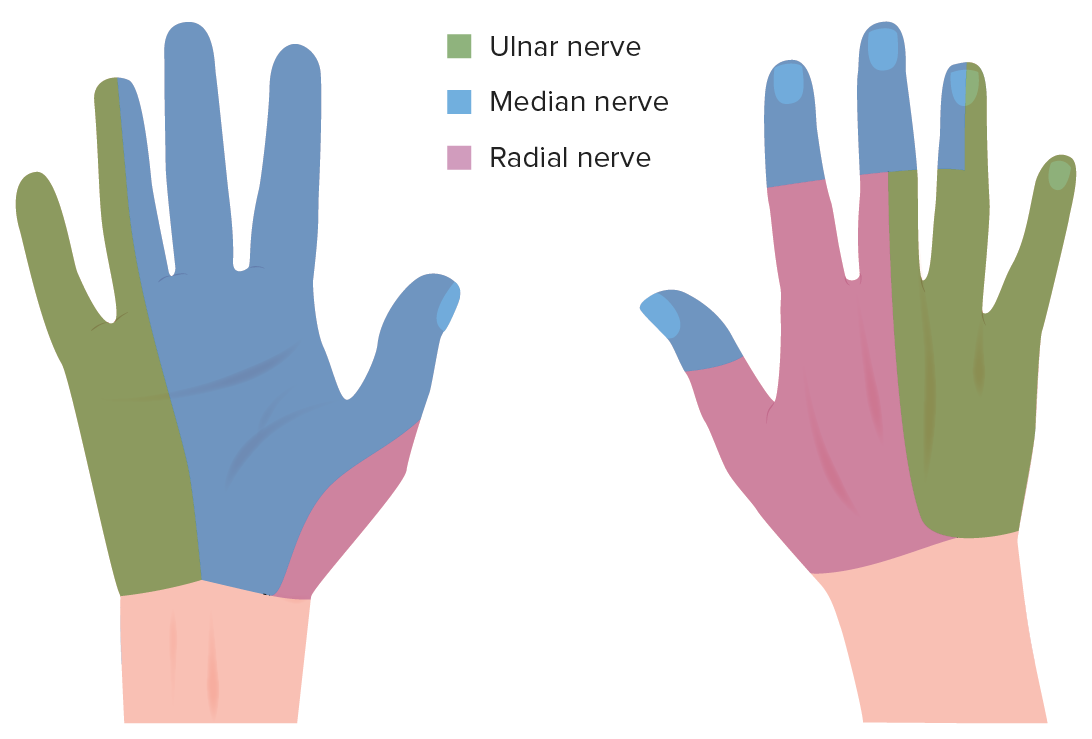
Wartenberg syndrome or "Nintendo Numbness" is a condition that affects the radial nerve in your wrist/forearm. The radial nerve is the least common nerve of the hand to become injured (cubital tunnel and carpal tunnel are much more common). The radial nerve controls sensation in the thumb and first three fingers of the back of your hand and the motor function of the muscles that extend (lift up) the wrist and finger.
Wartenberg syndrome specifically is compression of the superficial branch of the radial nerve, resulting in sensory issues. This presents as pain over the dorsal aspect of the distal forearm (back of the arm near the wrist) and paresthesia (numbness/tingling) throughout the radial nerve distribution of the hand. This may present from wearing a watch, bracelet, gloves, or wristband too tight around the wrist. This condition has seen a rise with the use of gaming gloves.
"An analogy that can be used to think of nerves is like a water hose. When someone steps on the hose there may be a little water sputtering out which can be like the tingling often first experienced with mild compression at the wrist. If someone comes along and steps on the hose with all their weight then the water flow may stop. Similarly, if someone is wearing a watch too tight then this external pressure may result in numbness in the hand and wrist. If there is no water coming from the hose to feed the plants then the plants will begin to die after months, similar to how our muscles can start to atrophy (die/weaken) if they are not getting proper innervation (supply) from the nerve."
The name "Wartenberg Syndrome" is derived from the neurologist who first described the condition in 1932, Dr. Robert Wartenberg.
Common Things You Might Feel
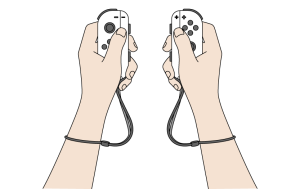
Gamers are likely to begin experiencing tingling or numbness in the radial nerve distribution. Gamers may find it challenging gripping or moving the mouse because of their decreased sensation. Finger dexterity is likely reduced. When pain is reported without numbness/tingling, suspicion should be placed on a tendon injury instead, as tendinopathies are much more common in gaming.
Disclaimer: The following information is provided for general educational purposes only and should not be considered medical advice. It is not intended to replace consultation with a qualified healthcare professional. If you have specific concerns or questions about your health or medical condition, please seek the guidance of a licensed physician or another qualified medical practitioner. Any reliance you place on the information provided is solely at your own risk. In no event will the author or 1HP be liable for any loss or damage arising from using this information. Always consult with a healthcare professional before starting or changing any medical treatment or regimen.
How Does It Happen to Gamers?
By sitting with the palms down (forearm pronation) there is increased compression on the radial nerve, which is common in most gamers. Most frequently, Wartenberg Syndrome occurs as a result of external compression like wearing a watch, bracelet, gloves, or wristband too tight around the wrist. Other factors include direct trauma, wrist fractures, repetitive use, or a ganglion cyst/bony spur. Those who suffer from Wartenberg Syndrome may experience symptoms during the day after wearing a watch or bracelet for a few hours (versus carpal/cubital tunnel symptoms which often occur at night).
How to Fix It / Recover / What Can You Do?
- Identify the issue — Early detection is one of the most important factors.
- Remove the source of compression — Remove any bracelets, gloves, watches, or wearables compressing the nerve. Note: splinting may actually do more harm than good here — a tight splint can further compress the radial nerve.
- Relative rest — Reduce playing time or incorporate more breaks until symptoms subside.
- Massage — Massaging the forearm reduces tightness/stiffness that may be compressing the nerve.
- Utilize heat/ice (hot/cold packs, warm water soak).
- Nerve Glides — Restore mobility between the nerve and surrounding tissue.
- Stretching — Decrease tightness and stiffness throughout the forearms.
Surgery is rarely required, but can be extremely effective if indicated.
For a comprehensive guide on the exercises discussed, check out the videos on our Fix Wrist Pain page.
Science Behind The Injury
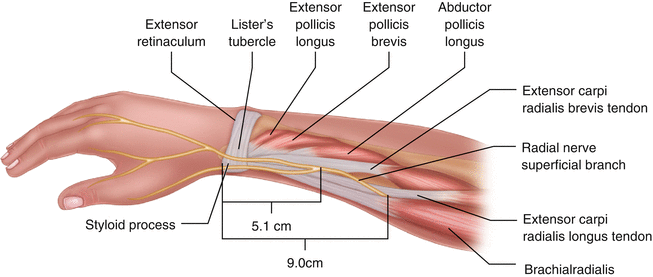
Specifically, this diagnosis is looking at the radial nerve and surrounding tissue. The radial nerve is a mixed (sensory and motor) nerve. This condition is solely a result of compression of the superficial branch which provides sensory innervation to the hand and wrist. The nerve compression occurs between the brachioradialis and extensor carpi radialis longus (ECRL) tendons.
Nerve Responsible:
- Radial Nerve: The superficial branch provides innervation to the dorsal side of the thumb, index, middle, and the radial half of the ring finger just proximal to the IP joints, plus a small portion of the volar side of the thumb. The deep branch (posterior interosseous nerve, PIN) is a motor branch.
Muscle/Tendon responsible:
- Brachioradialis — On the thumb side (dorsoradial side) of the forearm; flexes the elbow. Associated with compressing the nerve as it passes between itself and ECRL.
- Extensor Carpi Radialis Longus — Lifts (extends) and moves the wrist to the thumb side (radial deviation). Associated with compressing the nerve as it passes between itself and brachioradialis.
Differential Diagnosis
- DeQuervain's Tenosynovitis — Irritation of two tendon sheaths causing pain on the thumb side of the wrist.
- Intersection Syndrome — Presents higher on the back of the forearm (~4–6 cm from the wrist crease); should not provoke numbness/tingling.
- Thoracic Outlet Syndrome — Compression near the brachial plexus between the clavicle and first rib.
Preventative Approach
The primary way to prevent this condition is by avoiding significant compression on the wrist — remove or loosen compressive wearables, or take them off for short durations to let the nerves "breathe."
- Exercising — Strengthening and nerve glides.
- Intermittent stretching (during and after gaming sessions).
- Proper warm-up — Promotes blood flow and lubricates stiff joints.
- Ergonomics/positioning — Avoid compromised positions.
- Mental health — Manage the mental side of conditions affecting what we love (gaming).
- Rest breaks — Every 45–60 minutes.
- Massage and Heat prior to sessions.
- Nutrition/Sleep — Cannot be ignored in injury prevention.
References
- Dang AC, Rodner CM. Unusual compression neuropathies of the forearm, part I: radial nerve. The Journal of hand surgery. 2009 Dec 1;34(10):1906-14.
- Herma, T., Slezak, J., Baca, V., & Kachlik, D. (2023). Duplicated superficial branch of the radial nerve and brachioradialis muscle belly: Prevalence and significance. Folia Morphologica, 82(3), 558–561.
- Lanzetta, M., Foucher, G. Entrapment of the superficial branch of the radial nerve (Wartenberg's syndrome). International Orthopaedics 17, 342–345 (1993).
- Shields, L. B., Iyer, V. G., Zhang, Y. P., & Shields, C. B. (2023). Etiological study of superficial radial nerve neuropathy: Series of 34 patients. Frontiers in Neurology, 14.